ANCESTRAL MAYA BALL GAME
For centuries, the Maya Ball Game was far more than a sport: it was a sacred pillar of spiritual and communal life at the heart of Maya civilization. Each match forged a bridge between the earth and the divine, echoing the cosmic order in play. Today, the ruins and vestiges of these grand ballcourts in Mexico and Central America stand as silent reminders of this transcendent ritual. The most renowned, the Ball Game of Chichén Itzá, continues to inspire awe, evoking the presence of those who played not only for victory but for the harmony of the universe.
The Maya Ball Game was quite popular across pre-Columbian cultures and regions, though the rules varied slightly. More than just a sport, it served as a means of settling disputes between communities, reinforcing political alliances, and expressing social hierarchies. Matches were grand events, attended by rulers, priests, and large crowds, highlighting the game's significance in public life.
The game consisted of two teams and a ball; the court was found to be sunken and walled. The field at Chichén Itzá measures 170 meters long and 70 meters wide. The goal of the game was to pass the ball through the stone rings on each side, using only the hips.
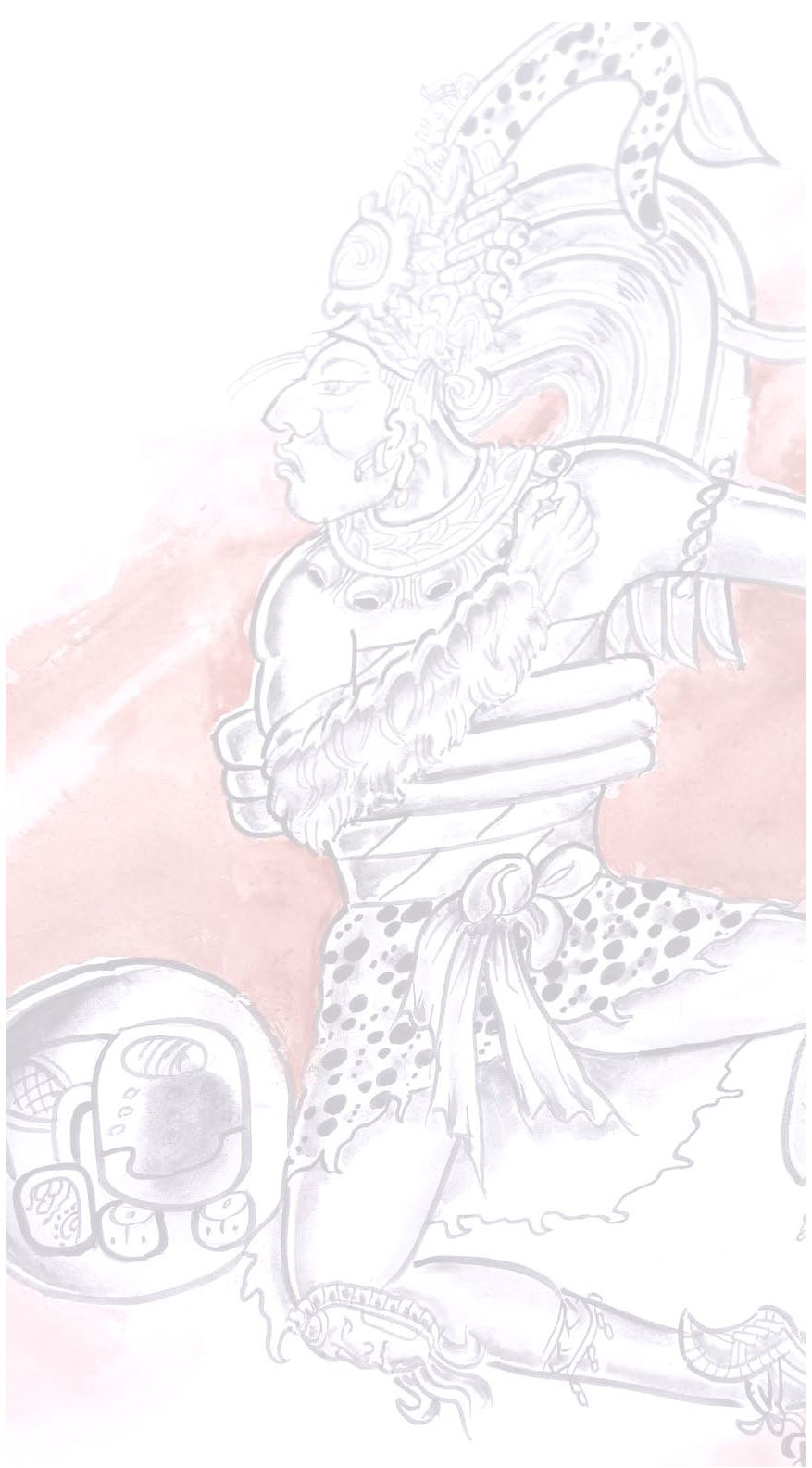
To play ball, the best warriors, the most agile and strongest, were selected, and it was believed that during the game, these strong Mayas represented the divinity within the field. Players underwent intense physical and spiritual preparation, including rituals intended to invoke the creator's protection and favor. Their attire was elaborate, featuring leather padding and decorative elements symbolizing animals or deities, and offering both protection and spiritual significance.
The platforms surrounding the site served as places for rulers and priests to observe the game's development in detail. Based on the investigation, the figures carved into the walls surrounding the playground convey a mystical and spiritual connotation.
Today, across the continent, a powerful movement is rising a collective effort to revitalize ancient play, not only to foster well being, but to ignite a profound reconnection between our youth and their ancestral heritage. The Maya Ball Game is far more than a sport: it is a sacred tradition, imbued with ceremonial and spiritual meaning, woven into the very fabric of our mythology. The legendary Maya twins, Hunahpu and Ixbalamke, were not just athletes; they were heroes who, through their skill and courage on the ball court, honored their ancestors and changed the course of our existence. Their legacy, immortalized in intricate ceramics throughout the Maya world, inspires us today. For countless Maya and indigenous people, the hope endures that by keeping this ancient game alive, we can awaken our spirit, reclaim our roots, and pass on the wisdom of our ancestors to future generations.
Today, efforts to revive the Maya ball game are blossoming in classrooms, community centers, public spaces across our lands, and through the International Federation of the Ancestral Maya Ball Game across all borders and continents. Young people gather to learn the ancient rules, feel the weight of the rubber ball, and experience the exhilaration of teamwork, just as their ancestors did. Elders and cultural leaders share stories, pass down techniques, and rekindle rituals that have shaped Maya identity for centuries. These intergenerational exchanges are not only preserving a tradition, but they are also forging powerful bonds between the past and the present, strengthening the community fabric, and nurturing a sense of belonging in every participant. Through the Maya ball game, we step into the cosmic vision of our ancestors. Every movement echoes the rhythms of the universe, the dance of the sun, moon, planets, and stars. The game is surrounded by vibrant traditions, from traditional dances before matches to the deep spiritual connection it awakens within us.
As we bring this tradition into the present, new generations discover pride in their heritage. The ball game becomes a living bridge, connecting families and communities. Festivals and tournaments draw crowds who witness not only the athletic skill on display, but the endurance of a culture that has survived and thrived against all odds. The sound of the ball striking the court, the cheers of the crowd, and the vibrant colors of traditional attire create an atmosphere charged with hope and unity. This is not just learning, it is living our culture, immersing ourselves in the wisdom and energy of those who came before us. Most importantly, the Maya ball game invites us to reclaim our narrative, breaking free from the shadows of the past. It opens a path to celebrate and honor the fullness of our history, a history that shines and a legacy that still burns bright within each of us.